One of the biggest fears people have when they start their recovery journey isn’t just about the physical cravings—it’s about the “fun.” We live in a culture, especially here in British Columbia, where almost every social event seems to be anchored by a drink or a substance. Whether it’s a post-hike beer, a summer music festival, or just a Tuesday night out with friends, the worry is the same: If I stop, will my life just become… boring?
I’ve been there. I remember looking at my calendar and feeling like a giant eraser had just wiped out my social life. But here’s the truth I’ve learned: recovery doesn’t take away your fun; it just changes the frequency. It takes you from a “blurry” kind of fun to a life where you actually remember the punchline of the joke and the drive home.
If you’re worried about how to stay social without losing your progress, here’s how to navigate the “new normal.”
1. The Myth of the “Boring” Life
When we’re using, our brains get used to a massive, artificial spike in dopamine. Without it, normal life—a sunset, a good meal, a laugh with a friend—can feel flat for a while. This is a temporary chemical imbalance, not a permanent personality trait.
You aren’t becoming a boring person; your brain is just relearning how to enjoy the “real” stuff. Within a few months, you’ll find that you’re actually more present, more funny, and more engaged than you were when you were numbed out.
2. The “Early Days” Social Filter
In the first few months, it’s okay to be protective of your peace. You don’t have to go to every party or “test” your willpower. If an invitation makes your stomach do a flip of anxiety, that’s your intuition telling you you’re not ready.
- The “Early Exit” Rule: Always have your own transportation. If you’re at an event and the vibe shifts from “hanging out” to “partying,” you need to be able to leave immediately without waiting for a ride.
- The Non-Alcoholic “Shield”: Having a drink in your hand—even if it’s just a soda with lime or a sparkling water—prevents 90% of the “Do you want a drink?” questions. People usually don’t care what’s in your glass; they just want to see that you’re participating.
3. Finding Your “Dry” Tribe
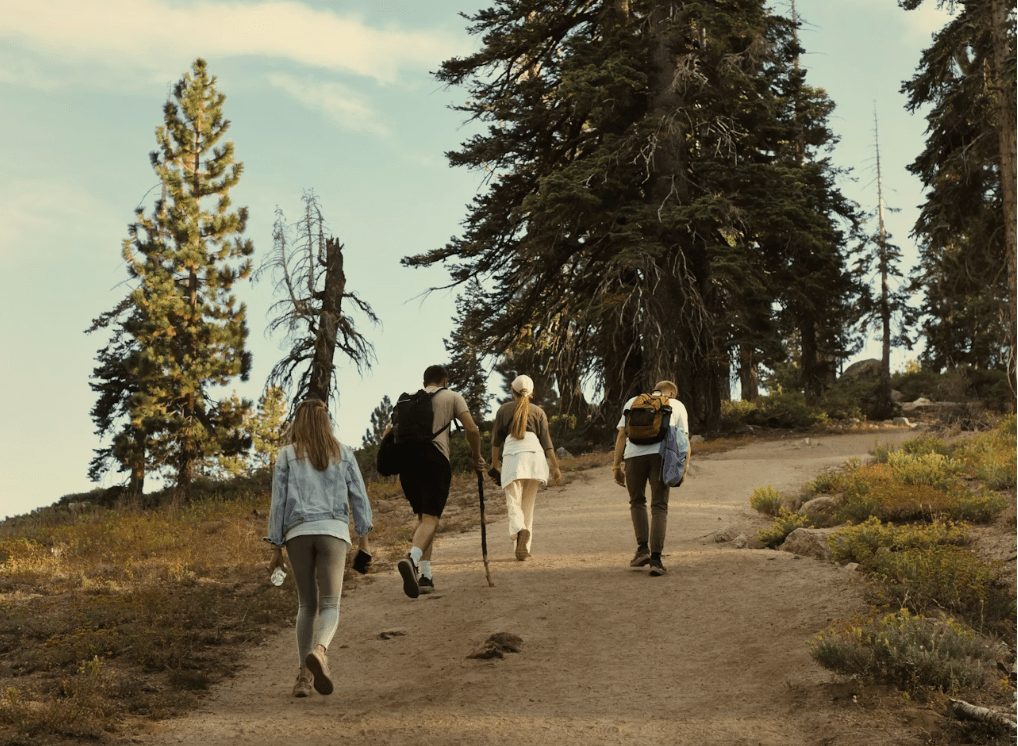
BC has a massive, thriving recovery community that doesn’t just sit in basements drinking bad coffee. There are hiking groups, sober run clubs, and “dry” events happening from Victoria to the Kootenays.
Seeking out people who are also in recovery isn’t about “hiding” from the world; it’s about finding people who you don’t have to explain yourself to. There is a specific kind of freedom in hanging out with people where the “sober” part is just the baseline, not the main topic of conversation.
4. Handling the “Why Aren’t You Drinking?” Question
You don’t owe anyone your medical history. If you’re at a BBQ and someone asks why you aren’t participating, you can keep it as light or as deep as you want:
- The Casual: “I’m on a health kick/detox right now.”
- The Practical: “I’ve got a big day tomorrow and I want to be sharp.”
- The Honest: “I realized it wasn’t serving me anymore, so I’m taking a break.”
- The Final: “I’m good with this soda, thanks.”
Most people will say “Cool” and move on. If someone pushes you or makes you feel uncomfortable, that’s a reflection of their relationship with substances, not yours.
5. Re-Discovering BC (The High-Def Version)
We live in one of the most beautiful places on Earth. Recovery gives you the energy to actually go see it. Think about the things you used to love before substances took up all the room in your brain.
- Did you like mountain biking?
- Were you into photography?
- Did you used to love exploring the local trails?
When you aren’t spending your mornings hungover or your evenings seeking, you suddenly have a surplus of time and money. Use it to “date” yourself and find out what actually brings you joy.
The Bottom Line
Your life isn’t getting smaller; it’s getting deeper. You’ll lose some “friends” who were really just “using associates,” and that hurts at first. But the space they leave behind will eventually be filled by people who show up for you, not for the party.
Fun isn’t a chemical; it’s a connection. And in recovery, those connections are finally real.
 Horizon Recovery Initiative | Youth-Led Addiction Support