When people talk about the overdose crisis, they usually talk about the drugs: fentanyl, heroin, meth. They talk about policy, about policing, about recovery. But behind every overdose is an economy — one that quietly shapes who gets sick, who recovers, and who doesn’t.
Addiction is often painted as a personal problem, but in reality, it’s deeply tied to the structures around us. Housing costs, low wages, lack of access to healthcare, and rising inequality all play a role in creating the conditions where drug use becomes a coping mechanism instead of a choice.
Poverty and vulnerability
According to the BC Coroners Service, over 70% of people who died from toxic drug poisoning in 2024 were living in unstable housing — including shelters, single-room occupancy units, or no fixed address. For many, drug use isn’t about recreation; it’s a way to survive stress, pain, and deprivation in an economy that leaves little room for error.
Research from the Canadian Centre on Substance Use and Addiction (CCSA) shows that unemployment, job insecurity, and financial instability are among the strongest predictors of substance dependence. When someone loses stable work or housing, they also lose access to community, purpose, and routine — all key protective factors against addiction.
Economics doesn’t just influence who uses drugs, but also how and where they use them. When survival becomes the priority, harm reduction takes a back seat. Unsafe conditions — like using alone, sharing supplies, or buying from unreliable sources — become almost inevitable.
The cost of criminalization
It’s easy to think of “drug policy” as separate from economic policy, but they’re intertwined. Canada spends billions each year on policing, courts, and incarceration related to drug possession and trafficking — while underfunding treatment, housing, and prevention.
According to a 2022 report from the Canadian Substance Use Costs and Harms project, substance use cost Canada nearly $49 billion in a single year. Of that, about 70% was due to lost productivity, healthcare, and criminal justice spending.
Despite these numbers, investment in evidence-based addiction services still lags far behind enforcement. The economics don’t add up: punishment costs more and accomplishes less. When people are jailed or fined for drug use, they’re pushed deeper into poverty and stigma, making recovery even harder.
Addiction and inequality
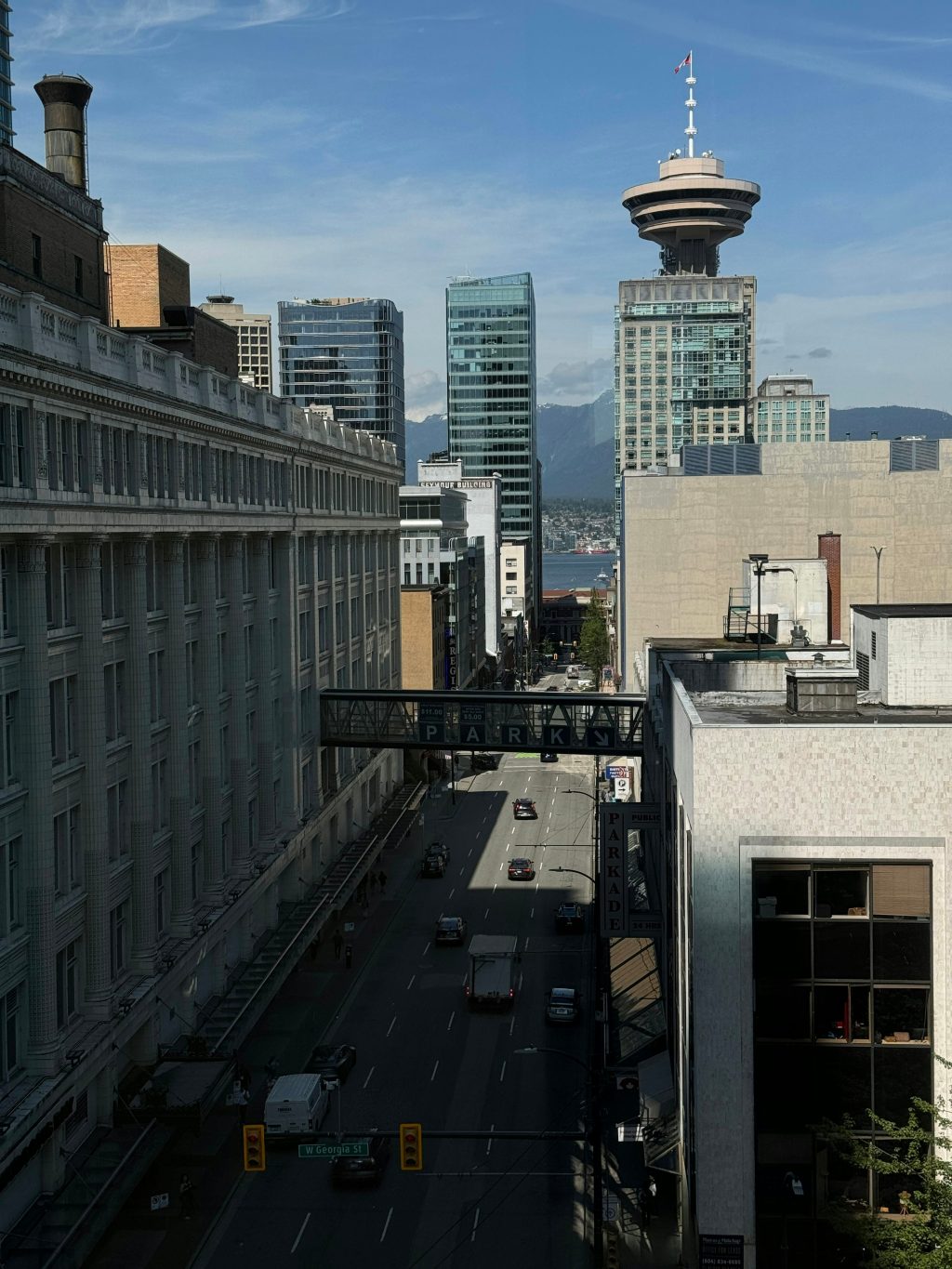
The overdose crisis in BC isn’t distributed evenly. It hits hardest in areas already struggling economically — the Downtown Eastside in Vancouver, rural communities in the Interior, northern towns where industry jobs have dried up.
Sociologists often describe this as “deaths of despair” — a term coined to capture the rise in mortality among people facing poverty, isolation, and hopelessness. It’s not a coincidence that overdose deaths rise alongside housing crises, income inequality, and unaffordable healthcare.
The same systems that create economic precarity also sustain addiction. When people can’t afford therapy, medication, or even stable housing, expecting abstinence or recovery without support is unrealistic.
Investing in recovery pays off
If addiction is partly an economic problem, then the solution must be economic too. Studies from Health Canada and the Public Health Agency of Canada show that every $1 invested in harm reduction and treatment saves anywhere from $4 to $7 in healthcare and social costs down the line.
That means safe consumption sites, affordable housing, community outreach, and mental health supports aren’t just moral choices — they’re financially sound ones. The cheapest intervention is prevention, and the most effective treatment is stability.
Decriminalization alone can’t fix poverty. But pairing public health approaches with economic justice — stable housing, living wages, and accessible care — can reduce overdose deaths dramatically. Portugal’s model, which combines decriminalization with robust social reinvestment, has seen long-term declines in addiction-related harm since 2001.
Beyond survival
When we talk about recovery, we often imagine someone simply stopping drug use. But real recovery — the kind that lasts — means more than abstinence. It means a safe place to live, enough money to eat, and the dignity of being able to participate in society.
The overdose crisis is not just a public health failure. It’s an economic one — a reflection of what happens when we treat addiction as an individual issue instead of a systemic one.
If we want to end the crisis, we have to build a society where people don’t need to use drugs to cope with being alive.
 Horizon Recovery Initiative | Youth-Led Addiction Support