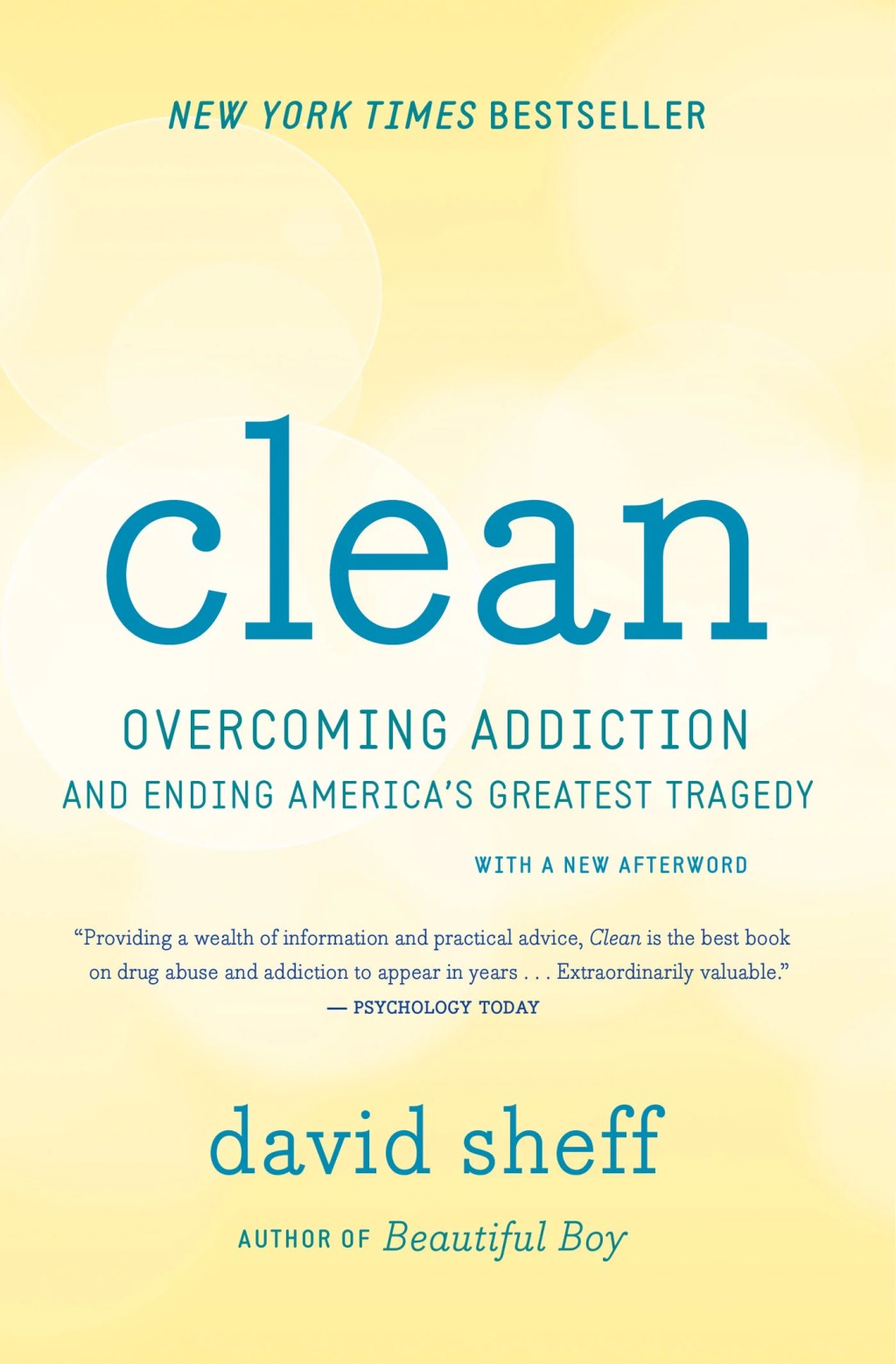
In Beautiful Boy, David Sheff wrote as a father — desperate, bewildered, and devastated — watching his son Nic fall into addiction. That book was raw and personal, an intimate record of what it’s like to love someone you can’t save. With Clean, Sheff widens the lens. He’s no longer just the anguished parent; he’s the journalist and researcher, trying to make sense of addiction on a national scale. Where Beautiful Boy was a cry from the heart, Clean is an attempt to answer the question: what now?
At its core, Clean argues that America has been approaching addiction in exactly the wrong way. Sheff says bluntly that the “war on drugs” has failed. After decades and an astronomical cost — he cites nearly a trillion dollars — we have more drugs, more overdoses, and millions of families affected. Criminalizing people hasn’t solved anything; if anything, it’s pushed them further from help. For Sheff, addiction is not a criminal issue or a moral failing. It’s a health problem, and until we treat it like one, we’ll keep failing the people who need us most.
Part of what makes the book persuasive is how Sheff weaves together science, policy, and lived experience. He explains what addiction actually does to the brain: how repeated substance use rewires neural pathways, hijacks the reward system, and leaves people chasing a chemical relief they can no longer live without. He’s especially concerned about adolescents, who are more impulsive, less inhibited, and still developing emotionally — a dangerous combination when drugs enter the picture. He also doesn’t shy away from genetics, mental illness, and poverty, which all raise the odds of substance use disorders.
This could easily get heavy-handed, but Sheff has a knack for grounding the research in real people. He introduces families and individuals struggling with addiction, as well as the counselors, doctors, and advocates working to help them. These stories keep the science from becoming abstract. They also underline his main point: addiction is everywhere, touching every community, and the way we respond matters.
Sheff is hopeful about treatment, but he doesn’t sugarcoat it. Addiction medicine is still young, he admits, and many programs vary wildly in quality. Even the best treatments face the reality of relapse — one of addiction’s defining features. He’s critical of expensive rehabs that offer little medical expertise, and of programs that rely on “tough love” or outdated methods. His call is for evidence-based care: approaches tested by research, staffed by professionals, and designed to treat addiction as the chronic condition it is. Like diabetes or heart disease, it requires ongoing management, not quick fixes.
The book’s ambition is also its weakness. In his effort to cover everything — prevention, neuroscience, treatment, law, policy — Sheff sometimes overwhelms the reader. It can feel like too much at once, a sprint through an encyclopedia of addiction research. Still, even when the pace feels rushed, the passion behind the project comes through. Sheff isn’t writing as an academic; he’s writing as someone who’s lived the devastation, and who refuses to accept the status quo as the best we can do.
Clean is ultimately both a guide and a manifesto. For families, it offers practical advice and validation. For professionals, it’s a call to raise standards and ground treatment in science. And for society at large, it’s a reminder that stigma and punishment don’t work — compassion, patience, and medical care do.
If Beautiful Boy was about one family’s nightmare, Clean is about a collective reckoning. Addiction remains one of America’s greatest tragedies, but Sheff insists it doesn’t have to be.
 Horizon Recovery Initiative | Youth-Led Addiction Support