Understanding the Neurological Roots of Addiction
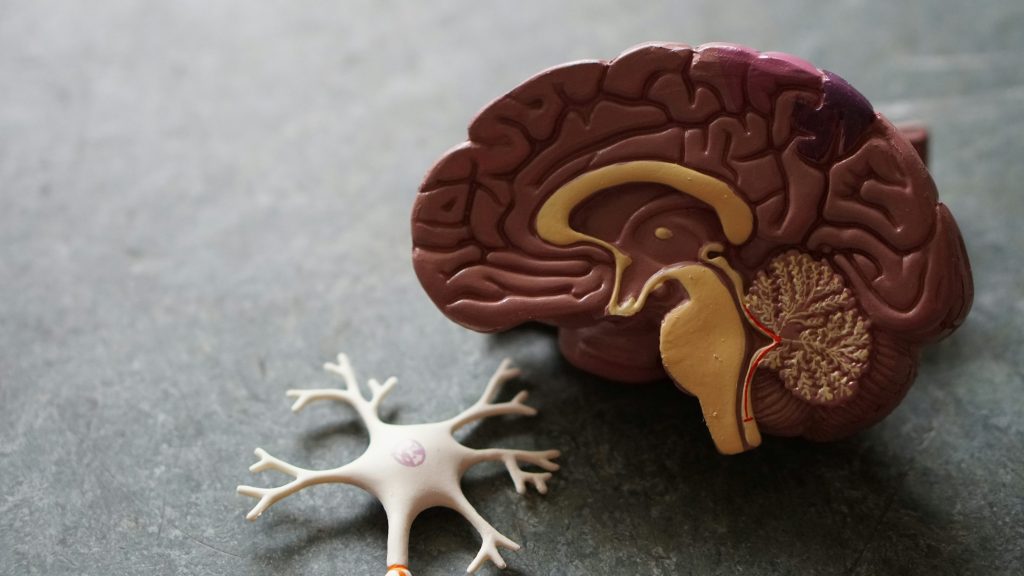
When people talk about addiction, it often gets framed as a matter of poor choices or weak willpower. But that view misses the real story. Addiction is a condition that changes how the brain works. It affects motivation, decision-making, and even the ability to feel joy.
How substances change the brain
Most addictive substances release large amounts of dopamine, the brain chemical tied to pleasure and reward. Normally, dopamine gets released in smaller bursts — after a meal, exercise, or time with friends. But drugs and alcohol overwhelm the system with far more dopamine than the brain is built to handle.
Over time, the brain adapts. It begins to depend on the substance to feel any sense of reward at all. At the same time, everyday activities — things that once felt enjoyable — lose their impact. The brain also builds tolerance, meaning larger amounts of the substance are needed just to feel “normal.”
This rewiring doesn’t just affect pleasure. It weakens the brain’s ability to control impulses and make rational choices, which explains why people keep using even when they know it’s harmful.
Why quitting feels impossible
Because the brain has adjusted to the presence of the substance, suddenly stopping can feel unbearable. Withdrawal comes with intense cravings, physical discomfort, and emotional distress. For many, this is why recovery isn’t as simple as deciding to stop — it requires support, treatment, and time for the brain to heal.
The good news
The brain is remarkably resilient. With treatment, healthy routines, and consistent support, many people in recovery rebuild their decision-making skills and rediscover joy in daily life. Recovery isn’t linear — relapse can happen — but that doesn’t erase progress. It’s part of the process of learning to live without relying on a substance.
Why understanding matters
Recognizing addiction as a brain-based disorder helps reduce stigma. Instead of judgment, it opens the door to compassion and science-backed solutions. And when we change the way we talk about addiction, we make it easier for people to ask for help and start their recovery journey.
If you’re looking for support, we can help connect you with counselors and community resources. Reach out through our Contact page.
 Horizon Recovery Initiative | Youth-Led Addiction Support