What is “safe supply”?
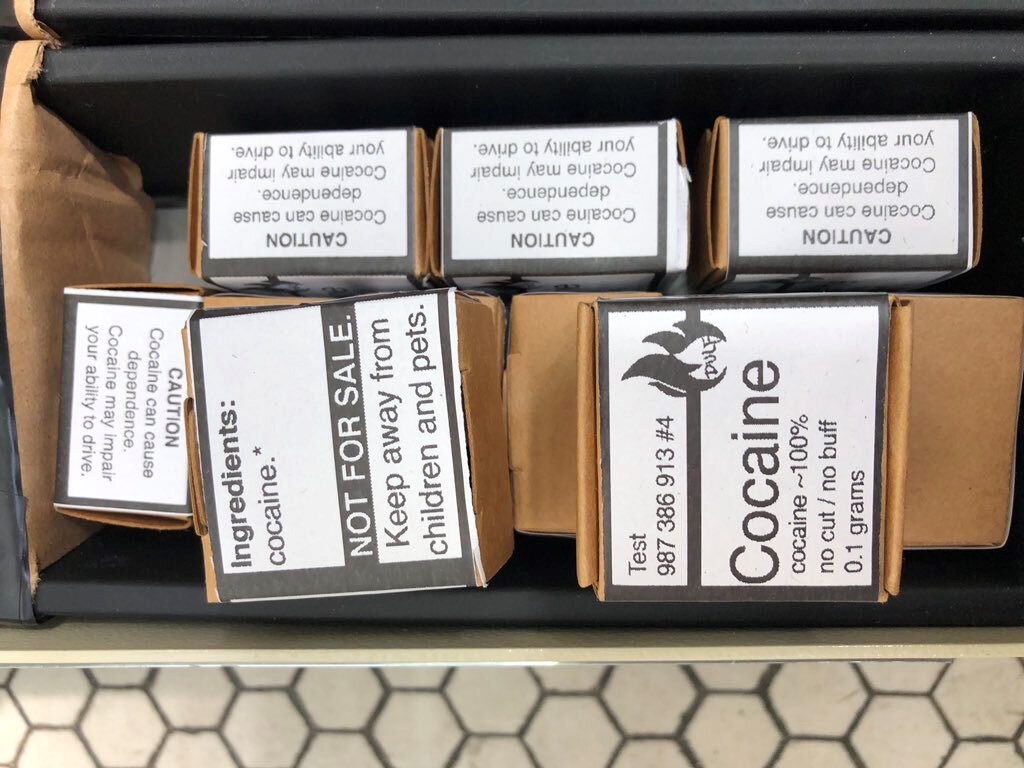
At its core, safe supply means giving people access to regulated, pharmaceutical-grade drugs instead of leaving them to buy unpredictable, toxic street drugs. Right now, much of the illicit drug market in BC is contaminated with fentanyl and benzodiazepines — substances that dramatically increase the risk of overdose.
Safe supply isn’t about encouraging drug use. It’s about making sure people who are already using don’t die from poisoned drugs.
How does it work?
Programs vary, but safe supply can involve doctors prescribing alternatives like hydromorphone (a legal opioid) so that people don’t have to rely on street sources. In some cases, there are supervised distribution models where participants can pick up their medication daily.
The goal is twofold: reduce deaths and create stability. When someone isn’t chasing down dangerous street drugs every day, it opens the door for them to focus on housing, health, relationships, and — if they want it — recovery.
Why it matters in BC
BC has been in a public health emergency since 2016 due to toxic drug deaths. In 2023 alone, more than 2,500 people lost their lives. That’s more than six people every single day.
Supporters of safe supply argue that it’s one of the only realistic ways to cut through this crisis. Abstinence-only approaches don’t work for everyone, and traditional treatment often takes time people don’t have. Safe supply keeps people alive long enough to consider their next steps.
The debates
Of course, safe supply is controversial. Critics worry about diversion (prescribed drugs ending up in the hands of others), or that it “normalizes” substance use. But evidence from programs in Canada and internationally shows reduced overdose deaths, fewer emergency calls, and even cost savings for healthcare systems.
It’s not a silver bullet — no single program is — but in the short term it appears to have had positive effects.
What we can do
Understanding safe supply starts with moving past the headlines and recognizing that this is ultimately about saving lives. The conversation isn’t about whether drug use exists — it always has and always will. While the long-term impacts of the policy aren’t clear yet, the real question is: do we want people dying because the supply is poisoned, or do we want them alive with a chance to recover?
If you’re looking for support, we can help connect you with counselors and community resources. Reach out through our Contact page.
 Horizon Recovery Initiative | Youth-Led Addiction Support