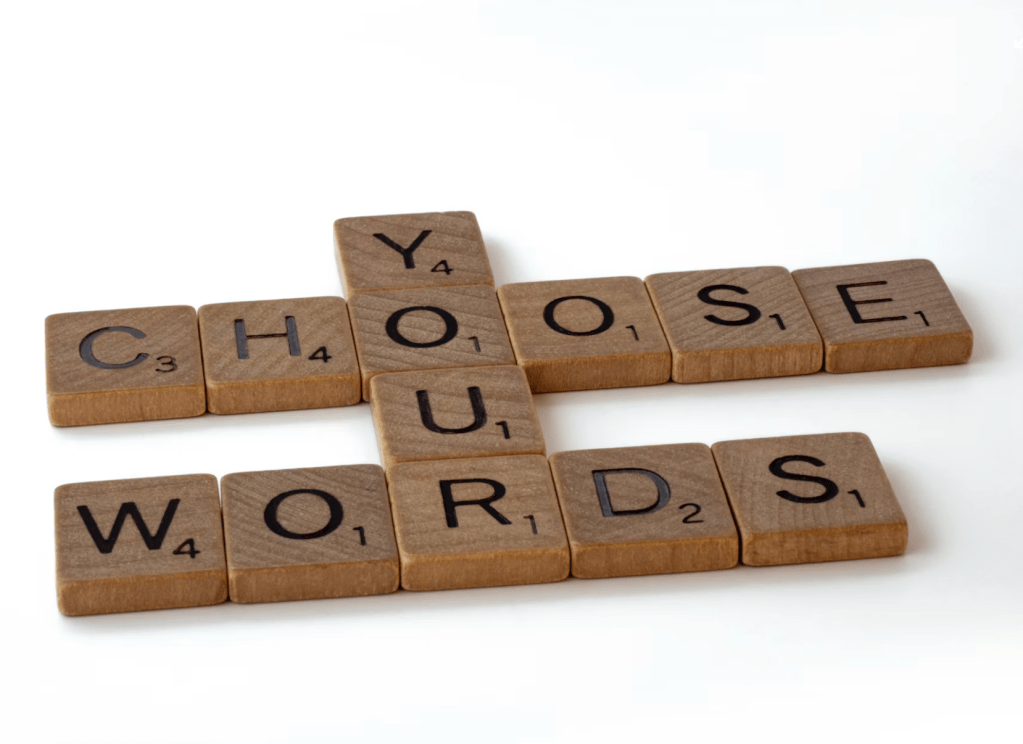
When we talk about addiction, the words we use carry enormous weight. They shape how we think about people who use drugs, how we respond to them, and whether we see their humanity. Too often, words like “addict,” “junkie,” or “druggie” are thrown around casually. On the surface they may seem like shorthand, but beneath them lies a history of stigma that reduces people to their struggles instead of recognizing them as full, complex human beings.
This isn’t just about political correctness. It’s about survival. Stigmatizing language creates shame, and shame isolates people. For someone struggling with substance use, shame can make the difference between reaching out for help and staying silent. It can be the difference between accessing lifesaving services or avoiding them out of fear of judgment.
There’s a reason more health professionals and community organizations now emphasize “person-first” language. The shift may feel subtle, but it reflects a larger truth that addiction is something a person experiences, not something that defines who they are. Just as we wouldn’t define someone only by a health condition like diabetes or asthma, we shouldn’t define people by their drug use.
Changing the way we speak also helps change how we think. If we consistently describe people as individuals with hopes, struggles, families, and talents, rather than as stereotypes, it’s harder to dehumanize them. And when people are no longer seen as less-than, it becomes easier to build policies rooted in compassion rather than punishment.
There’s another layer here: many people internalize the words that others use about them. Someone who has been called “a junkie” enough times may begin to believe that’s all they are. Reframing language offers them a different possibility that they are more than their addiction, that recovery is possible, and that they are worthy of dignity and care along the way.
Of course, language alone won’t solve the overdose crisis or dismantle decades of harmful drug policy. But it’s a step that any of us can take right now. Whether in conversations with friends, on social media, or even in our own self-talk, we can choose words that open doors rather than close them.
Changing how we speak about addiction is ultimately about changing how we see people. If we begin there, policy, services, community support become easier to build on a foundation of respect.
 Horizon Recovery Initiative | Youth-Led Addiction Support